

Emergency Root Canal & Urgent Dental Care Services in Canada
Dental emergencies never wait for the “right time.” Whether it’s a sudden toothache during the night, an accident that cracks a tooth, or an infection that becomes unbearably painful, urgent dental care becomes essential. Among the most common emergency treatments needed across Canada is the emergency root canal—a procedure that can save a severely infected tooth from extraction and bring immediate relief from intense pain.
At The Academy Dental, led by experienced dentist Dr. G.P. Bhattal, we specialize in providing gentle, quick, and highly effective emergency dental care to help patients get immediate relief and save their natural teeth. This comprehensive guide covers everything you need to know about emergency root canals, what to expect during urgent dental visits, signs you need care, treatment options, prevention, and how our clinic helps Canadians restore their oral health safely and comfortably.
What Is a Dental Emergency?
A dental emergency is any condition involving the teeth, gums, or mouth that requires immediate treatment to stop pain, control infection, prevent further damage, or save a tooth. These emergencies can occur during eating, playing sports, accidents, or due to untreated dental problems.
Common dental emergencies include:
Severe toothache
Swelling of gums or face
Broken, cracked, or chipped tooth
Lost fillings or crowns
Trauma from accidents
Dental abscesses
Infection spreading to face or jaw
Pain that disrupts sleep
Persistent bleeding
When these symptoms appear, delaying care can lead to tooth loss, severe infection, and even hospitalization. This is why emergency dental clinics, including The Academy Dental, offer extended hours and same-day appointments.

Why Emergency Root Canals Are Common in Canada
Across Canada, emergency root canals are among the most frequently performed urgent dental treatments. There are several reasons why:
A) Weather Extremes
Cold winters and hot beverages can worsen tooth sensitivity and cracks.
B) Busy Lifestyles
People often delay check-ups until pain becomes unbearable.
C) High Sugar Consumption
Soft drinks, candies, and snacks contribute to decay.
D) Teeth Grinding (Bruxism)
Stress and lack of sleep lead many Canadians to grind their teeth at night.
E) Sports Injuries
Hockey, soccer, basketball, and skating lead to frequent dental trauma.
These factors commonly result in the type of inflammation or infection that requires root canal therapy.
Anatomy of a Tooth: Why Infections Happen
To understand root canal therapy, it helps to know the basic structure of a tooth:
1. Enamel
The strong, outer protective layer.
2. Dentin
A softer layer beneath enamel containing tiny tubes.
3. Pulp
The center of the tooth containing:
Nerves
Blood vessels
Connective tissues
When decay or injury penetrates deep enough to reach the pulp, infection begins. Once bacteria enter the pulp chamber, pain becomes severe and the infection spreads rapidly. At this point, a root canal becomes the only way to save the tooth.
Early Signs You Might Need a Root Canal
Emergency root canals don’t always begin with severe pain. Sometimes symptoms start small and gradually worsen.
Early warning signs include:
Mild sensitivity to cold or hot foods
Pain when biting or chewing
Occasional gum swelling
Tooth discoloration (brown, grey, or black)
A small pimple-like bump on gums
Bad taste in mouth from draining infection
If treated early, Dr. G.P. Bhattal may be able to prevent a full emergency situation.
Severe Symptoms Requiring Emergency Care
If you experience any of the following, you need immediate dental attention:
Throbbing tooth pain that keeps you awake
Swelling of face or jaw
Severe sensitivity
Pus or abscess near the tooth
Radiating pain into ear, head, or jaw
Fever or chills
Inability to chew
Pain spreading to neck or throat
These are signs the infection is active, aggressive, and potentially dangerous.
Important:
A dental infection can spread into the bloodstream and become life-threatening if neglected.
How Dr. G.P. Bhattal Diagnoses the Problem
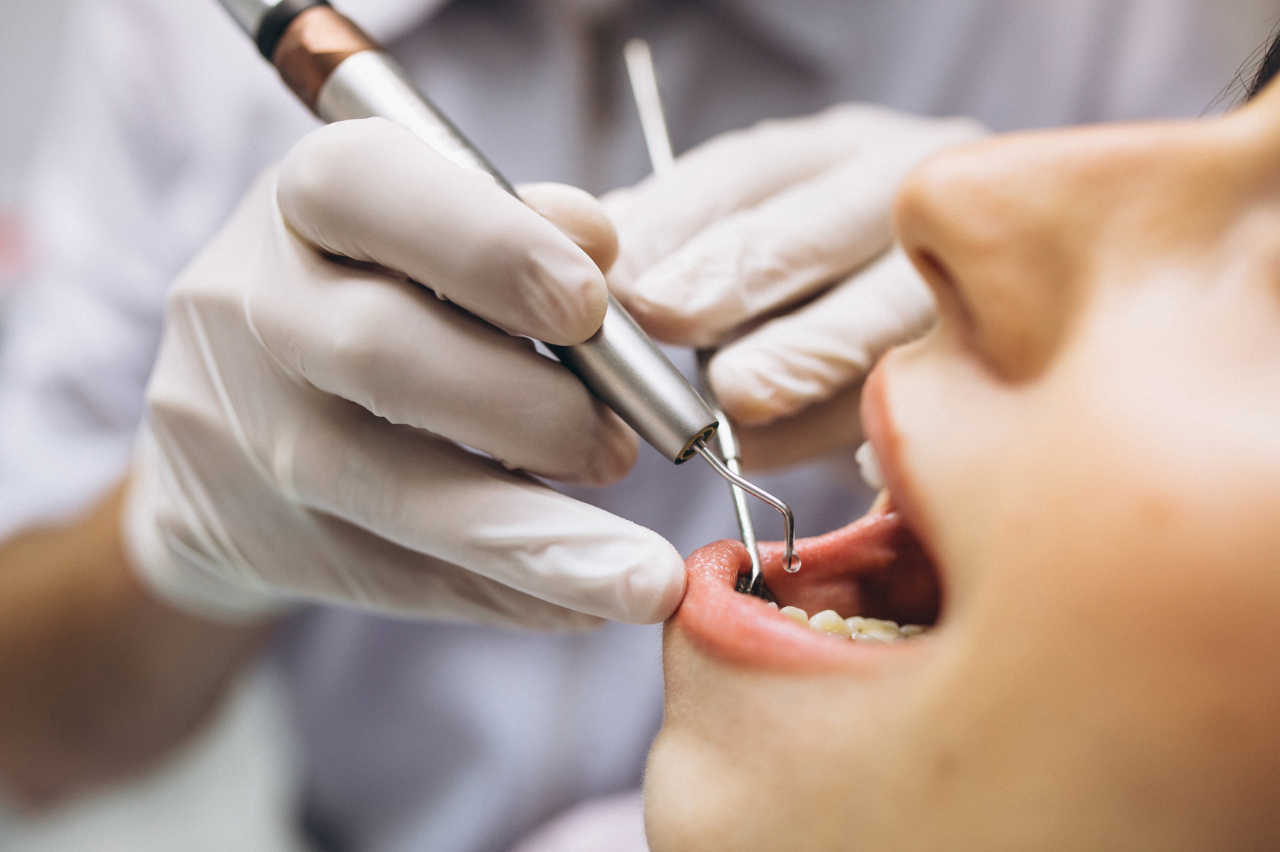
At The Academy Dental, we follow a clear diagnostic process:
A) Emergency Examination
Dr. Bhattal performs a quick assessment of pain level, swelling, and visible damage.
B) Digital X-Rays
These help identify:
Abscesses
Deep decay
Cracks invisible to the eye
Bone loss
Pulp chamber inflammation
C) Pulp Vitality Tests
Determines whether the nerve is alive, inflamed, or dead.
D) Bite Assessment
Checks if pain is caused by trauma or fracture.
E) Medical & Dental History
To customize treatment safely.
Once the diagnosis confirms pulp infection, emergency root canal therapy is recommended.
What Happens During an Emergency Root Canal at The Academy Dental
Many patients fear root canals, but modern technology makes them quick, comfortable, and extremely effective. Under the care of Dr. G.P. Bhattal, the procedure is performed with precision and advanced tools.
Step-by-Step Procedure
1. Local Anesthesia
Dr. Bhattal ensures the area is fully numb before starting.
2. Isolation with Rubber Dam
Keeps the tooth clean and dry during treatment.
3. Access opening
A small opening is made to reach the infected pulp.
4. Cleaning & Shaping
Using specialized instruments, the infected tissues, bacteria, and toxins are removed.
5. Disinfection
The canals are flushed with antibacterial solutions to eliminate any trace of infection.
6. Filling the Canals
The cleaned canals are sealed with a biocompatible material (gutta-percha).
7. Temporary or Permanent Filling
Depending on the case, a temporary or permanent filling is placed.
8. Crown Placement
To restore strength, a crown is highly recommended soon after the root canal.
Time Required
An emergency root canal usually takes 45–90 minutes depending on the number of canals.
Pain During Treatment
Most patients report no pain—just relief once the numbing sets in.
Benefits of Choosing a Root Canal Instead of Extraction
Root canals are preferred over extractions for many reasons:
✅ Saves Your Natural Tooth
Nothing functions as well as the tooth you were born with.
✅ Stops Pain Immediately
Inflammation and infection are removed at the source.
✅ Prevents Spreading Infection
Protects surrounding teeth, gums, and bone.
✅ Better Chewing & Bite Function
Keeping the natural tooth maintains jaw alignment.
✅ More Cost-Effective Long Term
Extractions often require implants, bridges, or dentures later.
✅ Quick Recovery
Most patients return to normal activities the same day.
Recovery Timeline and Aftercare Tips
After root canal treatment, most patients feel relief almost instantly. However, mild soreness is normal for 1–3 days.
What to Expect
Tenderness when chewing
Slight inflammation around gums
Sensitivity around the treated tooth
Aftercare Tips
Take prescribed antibiotics if recommended
Use over-the-counter pain relief
Avoid chewing hard foods for 48 hours
Brush gently around the area
Eat soft foods (soup, yogurt, scrambled eggs)
Attend the follow-up appointment
When to Call the Clinic
Severe swelling
Fever
Increasing pain
Persistent drainage
At The Academy Dental, we offer follow-up care to ensure full healing.
Other Emergency Dental Services at The Academy Dental
Besides root canals, we offer a complete range of urgent care services:
• Emergency tooth extraction
• Repair of chipped or broken teeth
• Treatment for knocked-out teeth (avulsion)
• Gum and soft tissue injuries
• Lost crowns and fillings
• Severe tooth sensitivity care
• Management of dental fractures
• Emergency dental X-rays
• Protection for teeth grinding
Our team ensures fast relief and long-term solutions.
Cost of Root Canal Treatment in Canada
Root canal costs vary depending on the tooth and complexity.
Typical Price Range in Canada
Front tooth: $500–$1,000
Premolar: $700–$1,200
Molar (most complex): $1,000–$1,800
Crowns cost an additional $900–$1,500 depending on material.
Dr. G.P. Bhattal discusses all pricing upfront so patients have no surprises.
Insurance, Payment Plans & Affordability Options
At The Academy Dental, we help patients by:
✔ Direct billing to insurers
✔ Flexible payment plans
✔ Treatment staging options
✔ Clear estimates before treatment
✔ Emergency visit affordability
We believe no one should endure dental pain due to financial concerns.
Tips to Prevent Dental Emergencies

You can drastically reduce the risk of needing emergency dental care by following simple habits:
⭐ Brush twice daily with fluoride toothpaste
⭐ Floss once a day
⭐ Avoid chewing ice, hard candy, or pens
⭐ Wear a sports mouthguard
⭐ Use a nightguard if you grind teeth
⭐ Eat fewer sugary snacks
⭐ Visit The Academy Dental every 6 months
⭐ Treat cavities early before they reach the nerve
Prevention is always better than emergency treatment.
Why Canadians Trust The Academy Dental & Dr. G.P. Bhattal
🦷 Experienced Emergency Dentist
Dr. G.P. Bhattal is known for painless, precise root canal treatments.
🦷 Same-Day Emergency Appointments
We prioritize patients in pain.
🦷 Advanced Technology
Digital X-rays, rotary endodontic systems, and modern sterilization ensure accuracy and safety.
🦷 Patient-First Approach
We treat patients with kindness, patience, and transparency.
🦷 Comfort-Focused Care
Calm environment, gentle anesthesia, and reduced treatment times.
🦷 Comprehensive Services Under One Roof
From emergency care to cosmetic and preventive dentistry.
Conclusion: Your Trusted Emergency Dental Partner in Canada
Emergency dental problems can be frightening, painful, and stressful—but with the right care, relief is fast and recovery is simple. The Academy Dental, under the expertise of Dr. G.P. Bhattal, is committed to providing Canadians with compassionate, advanced, and immediate dental care.
Whether you’re suffering from severe tooth pain, infection, swelling, or trauma, we’re here to help you feel better—often on the same day.
Your comfort and safety are our top priority.