

How to Fix a Cavity Safely in Canada: Dentist-Approved Tips
Cavities are among the most common dental issues in Canada. Whether you’re experiencing sensitivity, pain, or a “silent cavity” with no symptoms, modern dentistry now offers safe, minimally invasive ways to fix a cavity and protect your oral health.
This complete guide, created for Canadians—especially Calgary families—explains how to detect, treat, and prevent cavities using dentist-approved methods from Dr. G.P. Bhattal at The Dental Academy.
What Is a Cavity?
A cavity (dental caries) is tooth decay caused by acid-producing bacteria. It starts small but can spread deeper into the tooth if ignored.
Common Causes of Cavities
High sugar intake
Acidic beverages
Dry mouth (common in Calgary’s climate)
Lack of proper brushing/flossing
Genetics
Poor children’s oral habits
Skipping dental checkups
Untreated cavities can reach the nerve, leading to severe pain, infection, and root canal treatment.
Cavity Symptoms (Especially Important for Calgary Patients)
You may notice:
Tooth sensitivity
Pain while chewing
Dark spots on teeth
Visible holes
Sensitivity to sweets
Bad breath
Many Calgary residents have silent cavities—decay that shows no signs until advanced. Regular checkups are essential.
How to Fix a Cavity Treatment Options
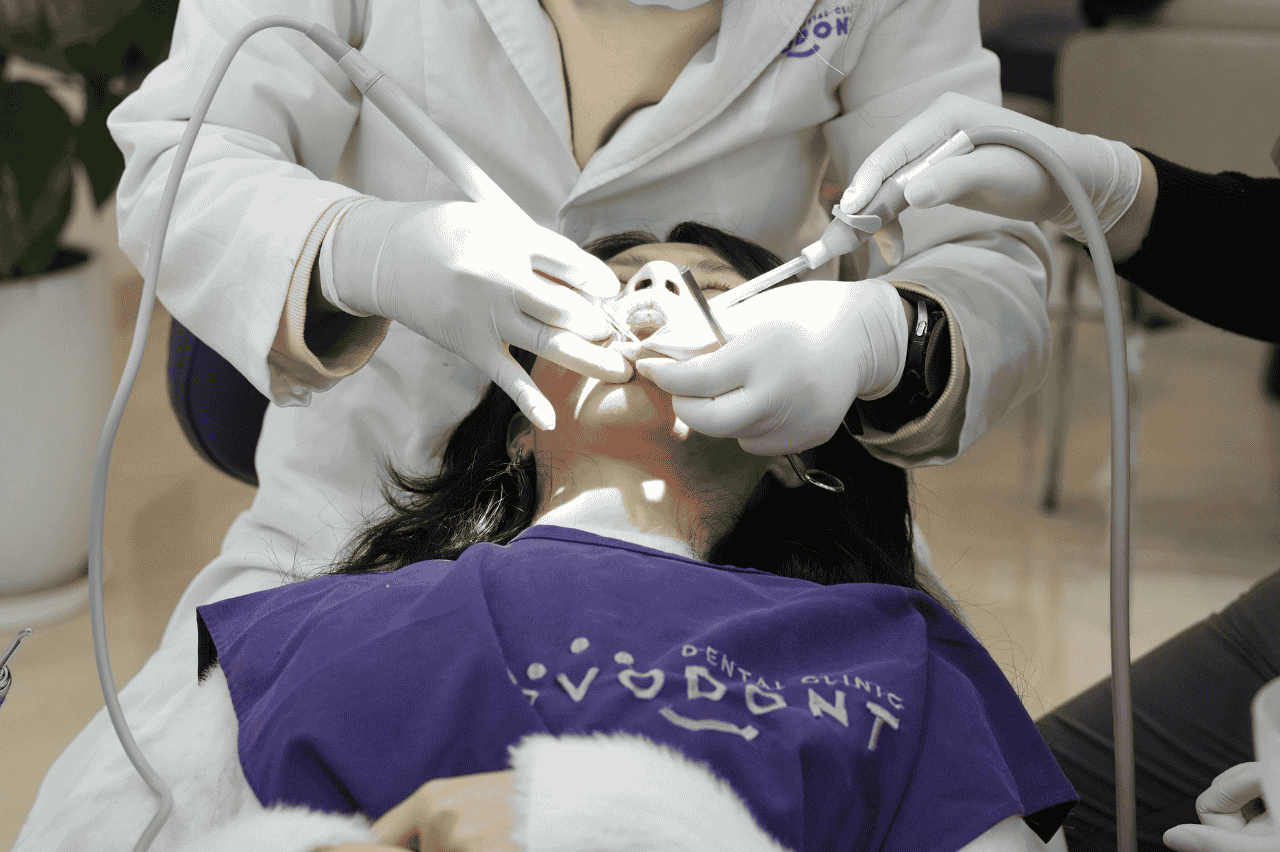
Different treatments exist depending on severity. Here’s how dentists like Dr. G.P. Bhattal restore your teeth safely.
A. Dental Fillings (The #1 Way to Fix a Cavity)
When Canadians search cavity treatment Calgary, tooth filling Calgary, or dental filling Calgary Alberta, they’re usually looking for composite fillings.
Steps:
Remove decay
Clean the area
Fill with tooth-coloured composite material
Cavity Filling Cost in Calgary
Most fillings range between $150–$450, depending on size and location.
The Dental Academy follows the Alberta Dental Fee Guide to keep prices fair and transparent.
B. Silver Diamine Fluoride (SDF Calgary) – Non-Invasive Cavity Treatment
SDF stops decay without drilling. It’s ideal for:
Children
Seniors
Patients with anxiety
Early cavities
It darkens the cavity but prevents further decay.
Calgary families often request non invasive cavity treatment Calgary, making SDF a popular choice.
C. Fluoride Treatment Calgary
Fluoride strengthens tooth enamel and can reverse early decay.
Perfect for:
Kids
Teens
High-risk adults
Patients with many small cavities
D. Dental Sealants Calgary
Sealants act like protective shields over molars.
Best for:
Kids aged 6–14
Adults prone to decay
Deep grooves that trap food
They offer 80–90% protection from future cavities.
E. Root Canal Calgary Due to Cavity
Once decay reaches the tooth nerve, a root canal becomes necessary.
Symptoms include:
Throbbing pain
Jaw swelling
Fever
Pus / abscess
At The Dental Academy, Dr. Bhattal uses modern technology for comfortable and successful root canal treatments.
Cavity Prevention Tips for Calgary Families

Fixing a cavity is great—but stopping future ones is even better.
Brush With Fluoride Twice Daily
Calgary’s dry weather increases cavity risk. Fluoride strengthens enamel and prevents decay.
Floss Daily
Most cavities form between teeth—the area brushing misses.
Get Regular Checkups
Many people search dental checkup Calgary cost, but checkups prevent expensive treatments.
Checkups at The Dental Academy are affordable and thorough.
Reduce Sugary & Acidic Drinks
Energy drinks, sodas, and sweetened coffee create ideal conditions for cavities.
Stay Hydrated
Water helps neutralize mouth acids and reduce dry mouth (a common Calgary problem).
How The Dental Academy Helps Calgary Families Fix Cavities Safely
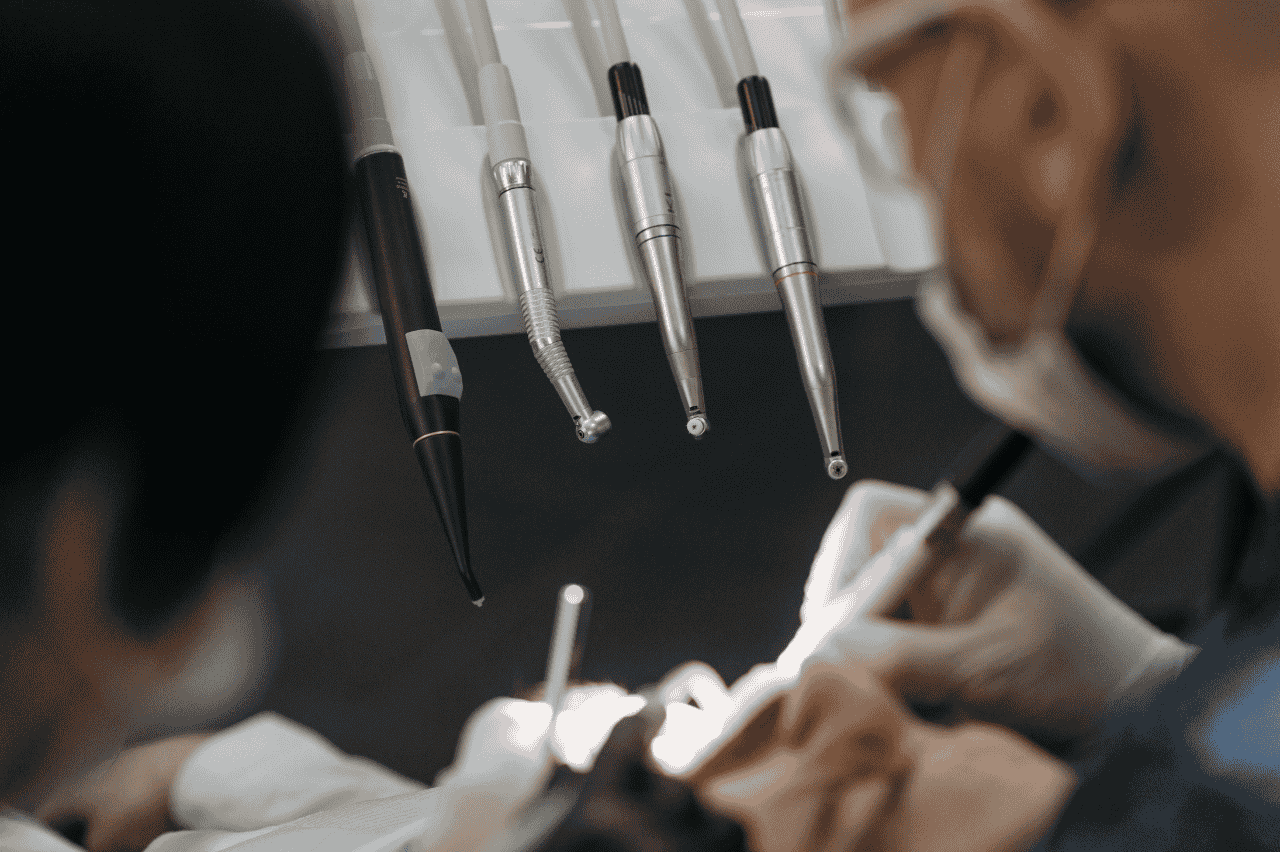
The Dental Academy and Dr. G.P. Bhattal provide modern, gentle, and patient-friendly cavity treatments.
Why Calgary trusts The Dental Academy:
✔ Alberta Dental Fee Guide pricing
✔ Non-invasive treatments (SDF)
✔ Modern cavity detection technology
✔ Comfortable, anxiety-free experience
✔ Kid-friendly and family-friendly environment
Can You Fix a Cavity at Home? (What’s True & What’s Not)
You CAN do:
Use fluoride toothpaste
Rinse with fluoride mouthwash
Reduce sugar
Maintain oral hygiene
You CANNOT do:
Fill a cavity
Reverse deep decay
Stop bacterial progression
Heal tooth holes
Only a dentist can fully fix a cavity.
Affordable Cavity Treatment Options in Calgary
Many people search affordable dentist Calgary cavity because cost matters.
The Dental Academy offers:
Calgary families receive high-quality care without financial stress.
✔ Affordable fillings ✔ SDF (low-cost, no-drill treatment) ✔ Payment plans ✔ Insurance-friendly service ✔ Fee Guide–aligned pricing
What to Expect During Your Cavity Visit at The Dental Academy
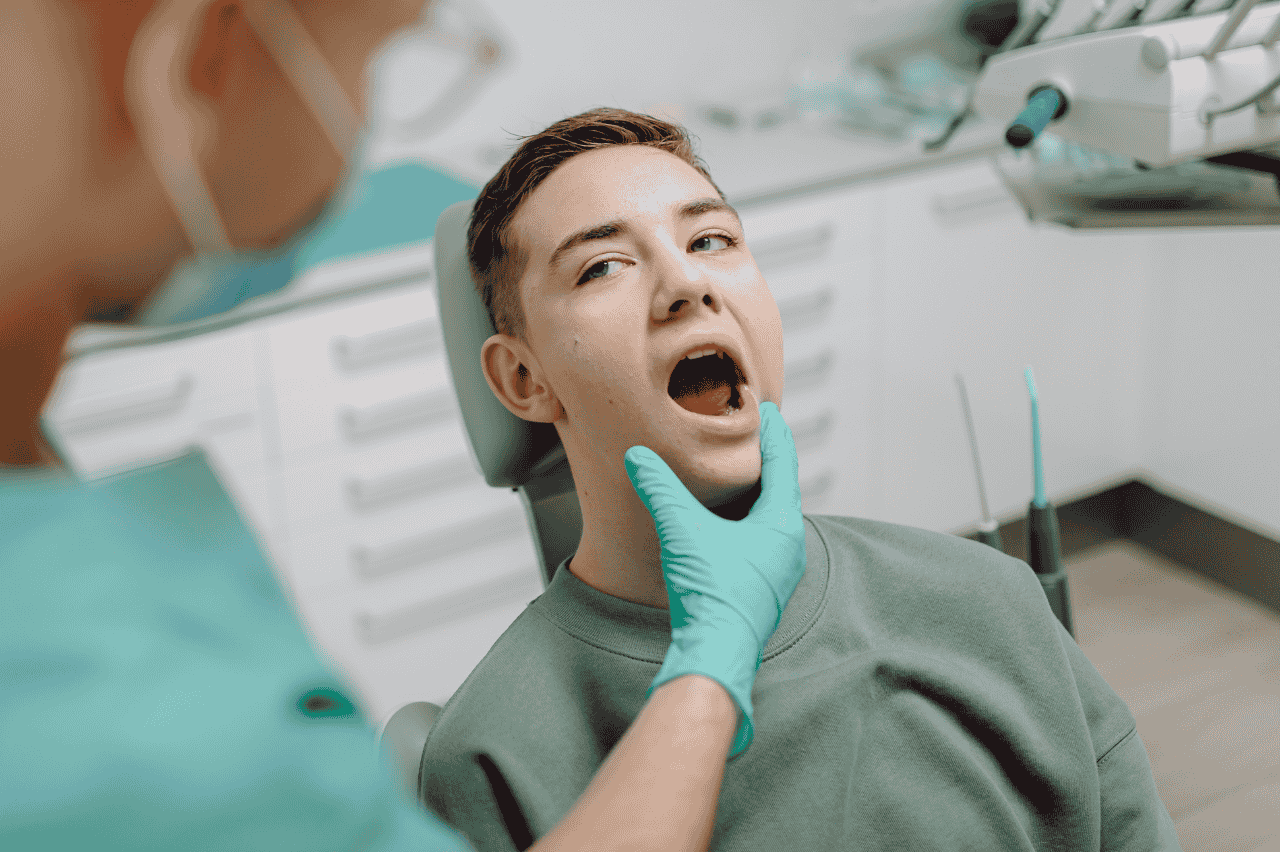
Step 1 — Exam & Diagnosis
Dr. G.P. Bhattal checks all teeth and identifies “silent cavities.”
Step 2 — X-Rays (if needed)
Shows hidden or deep decay.
Step 3 — Treatment Plan
Includes options, pricing, and timelines.
Step 4 — Fixing the Cavity
May involve fillings, SDF, fluoride, or other treatments.
Step 5 — Prevention Guidance
Includes brushing habits, diet, and follow-up.
Urgent Cavity Cases — When to Seek Emergency Dental Care
Contact a dentist immediately if you experience:
Severe toothache
Swollen gums or face
Pus or abscess
Fever
Pain disturbing sleep
These signs can indicate deep infection.
Final Thoughts: Fixing a Cavity Safely in Canada Starts With Early Action
Whether you need cavity treatment Calgary, tooth filling Calgary, or non invasive cavity treatment Calgary, The Dental Academy and Dr. G.P. Bhattal offer everything you need for safe, comfortable, and affordable dental care.
Don’t wait for pain—cavities grow quickly, but early treatment is simple and budget-friendly.
Cavity FAQs:
Q1. How can I fix a cavity fast?
A: The fastest way is to visit a dentist for a filling, fluoride treatment, or SDF (no-drill option). Home remedies cannot fix a cavity.
Q2. Can a cavity heal on its own?
A: No. Once a hole forms in the tooth, it cannot heal naturally. Only early enamel weakening can be reversed with fluoride.
Q3. How much does a cavity filling cost in Calgary?
A: Most Calgary fillings cost $150–$450, depending on the tooth and size of the cavity.
Q4. Is there a no-drill cavity treatment in Calgary?
A: Yes. Silver Diamine Fluoride (SDF) is a popular non-invasive treatment that stops decay without drilling.
Q5. Why does my cavity not hurt?
A: It may be a silent cavity. Cavities don’t hurt until decay reaches the deeper layers of the tooth.
Q6. How do I know if I need a cavity filling?
A: Signs include sensitivity, holes in teeth, dark spots, or pain when eating sweets or cold foods.
Q7. What is the best way to prevent cavities?
A: Brush twice daily, floss, reduce sugar, get regular checkups, and opt for fluoride or sealants if recommended.
Q8. How long does it take to fill a cavity?
A: Most cavity fillings take 20–40 minutes, depending on the size.
Q9. Is a cavity a dental emergency?
A: It becomes an emergency if there is swelling, severe pain, fever, or pus—these may indicate infection.
Q10. Does getting a cavity filled hurt?
A: No. Modern anesthesia makes cavity fillings completely painless.
Q11. Can I fix a cavity at home naturally?
A: No. You can slow early decay with fluoride but cannot repair a cavity at home.
Q12. Why do I get cavities even though I brush daily?
A: Reasons include dry mouth, genetics, not flossing, sugary drinks, weak enamel, or deep grooves in teeth.
Q13. Do kids in Calgary need fluoride or sealants?
A: Yes. Calgary’s water is not fluoridated, so fluoride treatments and dental sealants are strongly recommended for children.
Q14. How do I stop a cavity from getting worse?
A: Use fluoride toothpaste, avoid sugar, drink water, and book a dental appointment quickly.
Q15. When does a cavity need a root canal?
A: When decay reaches the tooth nerve, causing swelling, severe pain, or infection.